


In recent years, indie games have not just carved out a niche—they’ve been outshining many AAA titles in creativity, innovation, and player engagement. Despite having smaller budgets and teams, indie developers are crafting experiences that resonate deeply with gamers, often delivering fresh ideas and emotional depth that big studios struggle to match. This shift has sparked a fascinating evolution in the gaming landscape, challenging the traditional dominance of blockbuster productions.
One major reason indie games are gaining ground is their freedom to experiment. Without the pressure of massive marketing campaigns or shareholder expectations, indie developers can take risks on unique art styles, unconventional narratives, and innovative mechanics. This creative liberty often results in games that feel more personal and authentic, striking chords with players hungry for something different from the polished but formulaic releases typical of many AAA franchises.
Additionally, the intimate scale of indie projects allows for tighter, more focused gameplay experiences. Where AAA games sometimes suffer from bloat—overly long campaigns or forced multiplayer modes—indie titles can deliver concise, impactful stories and gameplay loops that keep players engaged from start to finish. This lean approach often results in memorable moments and storytelling that linger long after the game is over.
Community engagement also plays a huge role. Indie developers frequently build close relationships with their player base, involving them in development through early access programs, feedback forums, and social media. This connection fosters a sense of ownership and loyalty that big studios, with their more distant corporate structures, find hard to replicate.
Moreover, advances in digital distribution platforms have leveled the playing field. Services like Steam, itch.io, and even console marketplaces make it easier than ever for indie games to reach a global audience without the need for physical production or massive advertising budgets. This accessibility has empowered a new generation of creators to share their visions with millions.
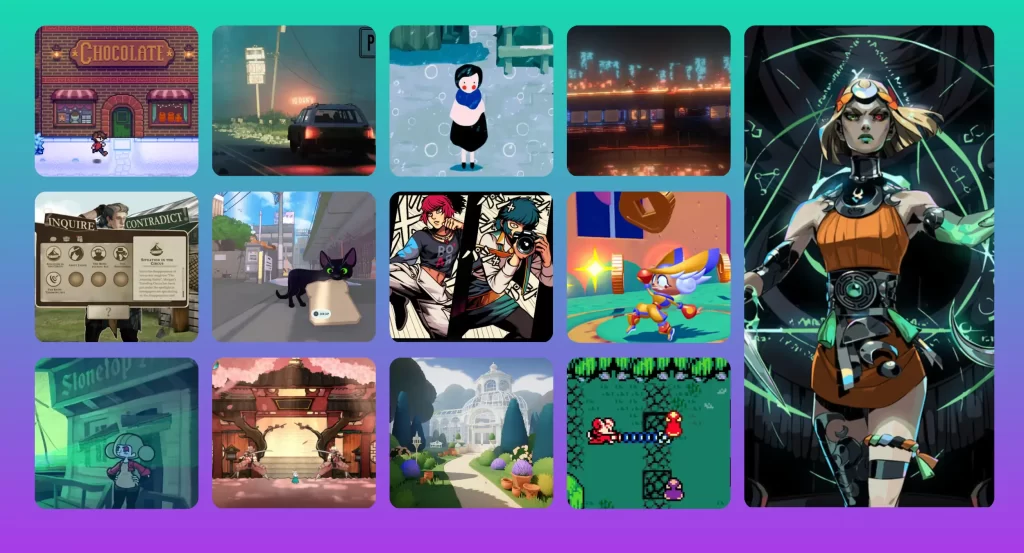
Finally, indie games often shine by addressing underserved themes and diverse perspectives. Many tackle stories and experiences overlooked by mainstream titles, giving voice to different cultures, identities, and emotional journeys. This inclusivity resonates with a broad spectrum of players, enriching the medium as a whole.
Together, these factors explain why indie games are not just surviving but thriving, sometimes even surpassing their AAA counterparts in impact and acclaim. The rise of indie development is a reminder that passion, innovation, and connection often matter more than sheer scale—qualities that keep the gaming world vibrant and evolving.