


Storytelling in games has evolved tremendously over the past decade, reaching a point where many argue it now rivals — and sometimes even surpasses — Hollywood in depth, engagement, and emotional impact. Unlike movies or TV shows, games offer an interactive narrative experience, placing the player at the heart of the story and allowing them to influence its outcome. This level of agency creates a unique connection that traditional storytelling mediums often cannot replicate.
One of the key strengths of games lies in their ability to combine narrative with gameplay mechanics, making the story not just something you watch but something you live. Players don’t just observe characters’ choices—they make decisions themselves, shaping relationships, moral dilemmas, and plot twists. This interactivity leads to a more personalized experience, where the consequences of your actions resonate deeply because you are the agent behind them.
Games also excel in world-building. Through exploration, environmental storytelling, and lore, players can uncover layers of history and context at their own pace, creating a sense of immersion that is difficult to achieve on screen. The richness of these worlds invites players to become not just passive consumers but active participants in complex narratives.
Moreover, video games often tackle themes and perspectives that Hollywood tends to avoid, offering fresh and diverse voices. Indie games, in particular, have pushed boundaries by telling stories about identity, mental health, and social issues with nuance and empathy. The medium’s flexibility allows for experimental storytelling structures—nonlinear narratives, multiple endings, and branching paths—that encourage replayability and reflection.
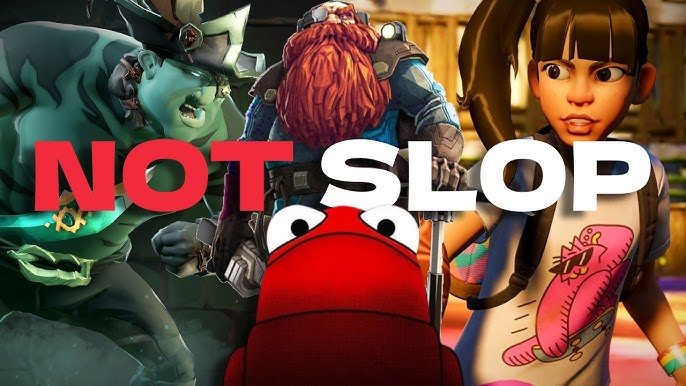
However, storytelling in games isn’t without its challenges. Balancing gameplay and narrative can be tricky, and not all games achieve this harmony. Some suffer from disjointed pacing or rely too heavily on cutscenes, which can pull players out of the immersive experience. Yet, as technology and design philosophies advance, more developers are mastering this balance, crafting stories that are as compelling as any blockbuster film.
In essence, while Hollywood remains a powerhouse of storytelling, games offer something uniquely powerful: the chance to be an active storyteller, co-creating memorable narratives that resonate on a personal level. For many players, this interactivity elevates the emotional stakes and makes gaming a storytelling medium that not only rivals but, in some ways, surpasses traditional cinema.