

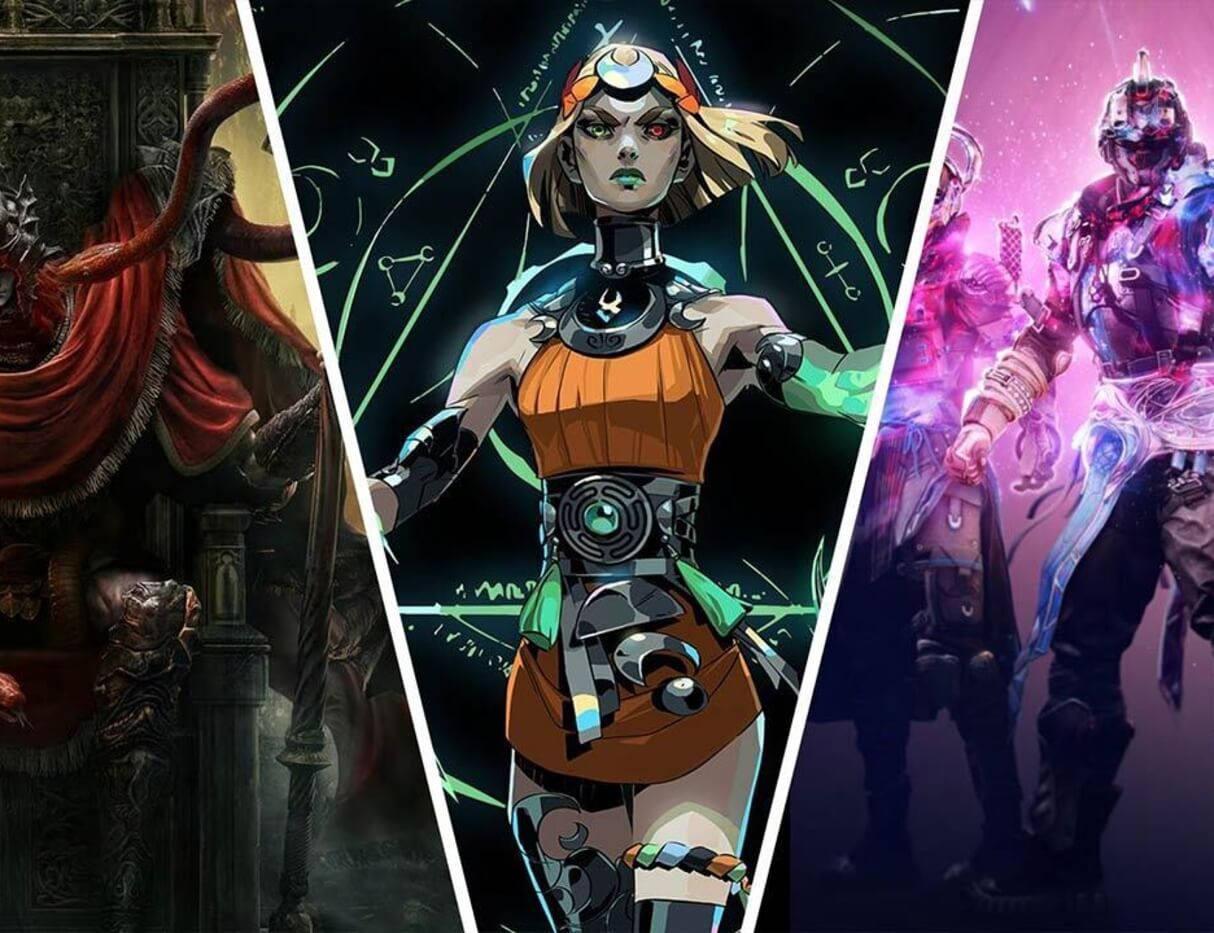
2025 has proven to be a landmark year for PC gaming, where raw technical innovation meets mature storytelling and immersive design. This year’s releases aren’t just about graphical fidelity or cutting-edge performance — they’re about emotional resonance, deep player agency, and fully realized virtual worlds that feel more alive and reactive than ever before. From vast open landscapes to tightly constructed narratives, developers are pushing the boundaries of what games can be, not only as entertainment but as meaningful experiences.
One of the most striking shifts in the 2025 gaming landscape is the elevation of atmosphere and tone. Games are no longer just a test of reflexes or puzzle-solving skills; they’ve become powerful vehicles for storytelling and emotional engagement. Whether you’re navigating post-apocalyptic ruins, exploring alien ecosystems, or living out gritty urban dramas, this year’s standout titles prioritize immersion in ways we haven’t quite seen before. Environmental storytelling, reactive NPCs, and richly detailed lore aren’t just surface-level — they’re integral to the player’s journey and decision-making process.
What also stands out is how diverse the offerings have become. No longer confined to rigid genre definitions, 2025’s top titles blend mechanics from RPGs, action games, simulations, and even narrative-driven cinema to create hybrid experiences that defy categorization. Developers are more confident in allowing players to slow down, absorb the world around them, and shape their own narratives. This shift toward player-centric design, with choices that carry weight and consequences that ripple through hours of gameplay, marks a turning point in how games are written and built.
Beyond storytelling, the rise of socially connected single-player experiences has changed how players engage with their favorite titles. Games now often feature asynchronous multiplayer mechanics, shared world elements, or community-driven decision paths that deepen immersion without pulling focus away from solo play. It’s a quiet but impactful evolution that reflects how players want to feel part of something larger, even when playing alone.

Technically, games in 2025 are a showcase of what the latest hardware can accomplish. Ray tracing, AI-enhanced animation, and procedural world-building come together to deliver not just visual spectacle, but coherent, living ecosystems. AI-driven NPCs respond dynamically to the player’s behavior, offering a more natural and organic feeling of being in a real world. It’s not just about pretty textures — it’s about believable, responsive, evolving environments.
What truly makes 2025 special, though, is the emotional intelligence behind many of these titles. Developers are more thoughtful than ever about the themes they tackle — loss, identity, memory, belonging — and they trust players to engage with complex material. This respect for the audience shows in the writing, the pacing, and even in how success and failure are framed within gameplay. The year’s best games don’t just entertain — they challenge, comfort, and provoke.
In essence, PC gaming in 2025 is no longer defined by one type of experience. Instead, it’s a spectrum of beautifully crafted worlds and stories that meet players wherever they are — whether they’re seeking adrenaline-fueled action, quiet introspection, or something in between. The line between games and art continues to blur, and if this year is any indication, we’re entering a golden age where games aren’t just worth playing — they’re worth remembering.